SAFETY LEADERSHIP TRAINING
Safety culture is built by safety leaders. 24 four-hour workshops that develop the daily behaviors, conversations, and judgment calls that turn safety from a program on paper into the way work actually gets done.
OUR APPROACH
Safety leadership is the practice that builds safety culture.
What makes this library different from other safety leadership training?
Most safety leadership training falls into one of two camps. Compliance-focused programs that teach rules without building judgment. Or academic leadership frameworks retrofitted to safety, built by people who've never worked inside a plant.
This library is neither.
- Real-World Application: Learning by doing, with scenarios directly relevant to your team's challenges.
- Integrated methodology. The workshops draw from Human and Organizational Performance (HOP) and the Loss Prevention System (LPS) — the two frameworks that matter most for modern safety leadership. Most providers teach one or the other. We teach them as complementary systems, because that's how they actually work in operations.
- Built from operational experience. Written from twenty years inside industrial plants. Real scenarios. Real operations. Real crews.
- Flexible delivery. Buy one workshop, a cluster, or the full library. Deliver yourself or have us deliver. No curriculum lock-in.
- Built to sustain. Train-the-trainer certification lets your internal team deliver the content long after we're gone. Culture work that only lives while consultants are on site isn't culture work.
Safety Leadership Training Library.
Twenty four-hour leadership modules, built for operations environments. Each one stands alone. They combine into a curriculum. They can be delivered off-the-shelf or customized to a facility's history and hazards.
Plant managers use them three ways. As a standalone workshop to open a conversation about culture. As the training layer inside a larger engagement. As a sustainment tool after the engagement ends. Our train-the-trainer program certifies your internal team to deliver them without us in the room.
Safety Leadership Training Series: Leadership Foundations

Fundamentals of Safety
What it Covers: This module establishes the foundational thinking every operational leader needs to run a safe facility. You'll examine the distinction between safety as a value and safety as a priority, the difference between lagging and leading indicators, and the core mechanisms by which safety culture erodes or strengthens over time. The module introduces the frameworks (Ownership Index, HOP principles, LPS tools) that the rest of the safety curriculum builds on. Participants leave with a clear model for what safety leadership is, what it isn't, and where their own operation currently sits on the continuum from imposed compliance to embedded ownership.
Why It Matters: Most leaders have never been formally trained in what safety leadership actually requires. This module gives you the conceptual foundation to lead safety deliberately rather than reactively, and the language to have honest conversations about where your culture actually is.
Leading and Influencing
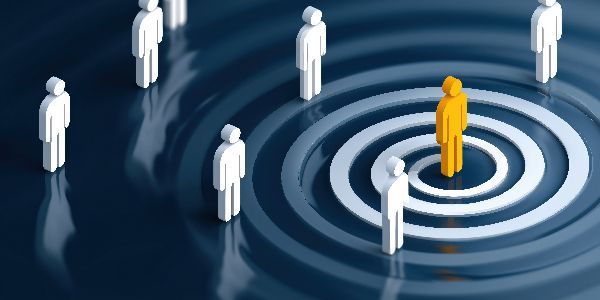
What it Covers: This module builds your capacity to lead people who don't report to you, influence peers and upward, and move decisions through an organization without relying on positional authority. You'll explore the difference between authority, power, and influence, master situational leadership, and learn to build coalitions across functional boundaries and navigate resistance without triggering defensiveness.
Why It Matters: Most of what operational leaders need to accomplish cannot be commanded. Leaders who rely only on positional authority hit a ceiling fast. This module builds the skill set that distinguishes effective operational leaders from merely titled ones — the ability to move things that can't be forced, through people who don't have to listen.
Leading Through Failure
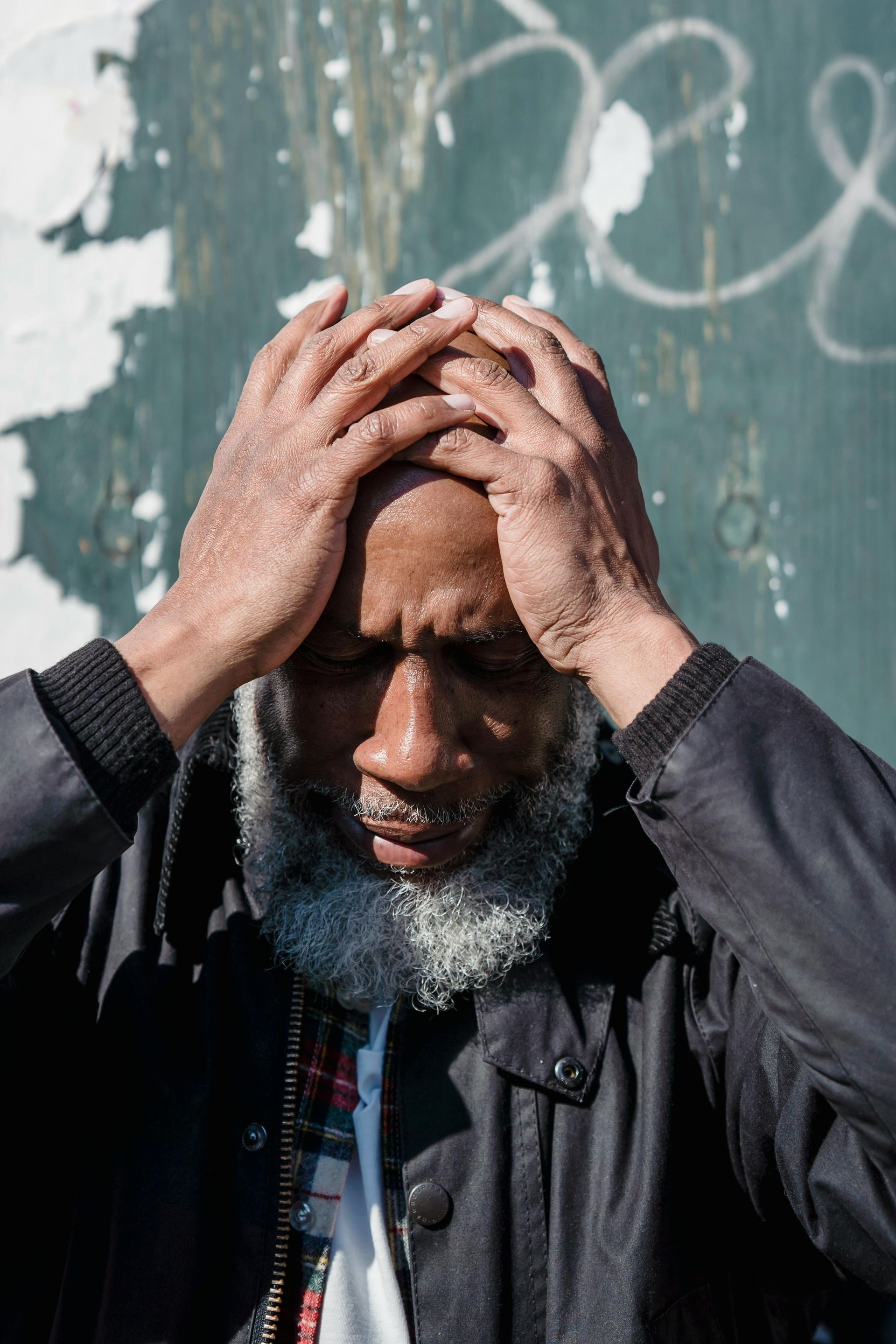
What it Covers: This module focuses on the specific leadership behaviors that determine whether your organization learns from failure or hides from it. You'll examine the first-response moments that shape everything after — the language patterns that either open the culture or quietly close it, the difference between accountability and blame, and the leadership practices that rebuild trust after an event.
Why It Matters: The response a leader has to the first problem surfaced is the response the crew expects to every problem after. Most leaders underestimate how closely their people read these moments. Done well, leading through failure is the single highest-leverage behavior in building a learning culture — and every instinct under pressure pushes leaders toward the wrong response.
Workplace Motivation
What it Covers: This module gives you a practical understanding of what actually motivates people in operational environments. You'll examine the research on intrinsic versus extrinsic motivation, the limits of incentive-based approaches, and the specific conditions under which people do their best work — along with the invisible demotivators that erode discretionary effort over time.
Why It Matters: The difference between a crew that shows up and a crew that takes ownership isn't skill — it's motivation. And motivation isn't something leaders give; it's something leaders either cultivate or quietly destroy through their own daily behavior. This module gives you the habits to build environments where motivated behavior is the norm rather than the exception.
Safety Leadership Training Series: Risk and Hazard Recognition
Facility Risk Management
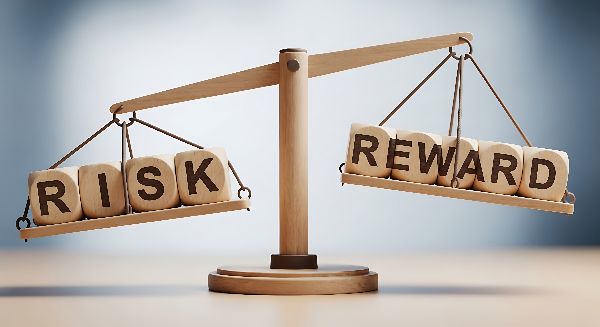
What it Covers: This module gives you a working framework for identifying, assessing, and managing risk at the facility level. You'll learn the full risk management process and the various types of risk assessment activities — JSAs, PHAs, MOCs, and the specific methods that fit different operational situations. The module also covers role clarity on risk assessment responsibilities, the cognitive traps that distort risk perception, and the leadership habits that keep risk registers alive rather than dead.
Why It Matters: Most facilities have a risk register somewhere that hasn't been meaningfully updated in years. The risks that aren't top-of-mind are running unmanaged, and those are usually the ones that become events. Facility risk management is not a compliance activity; it's a leadership practice. Leaders who treat it that way operate with a fundamentally better picture of their own exposure than leaders who delegate it to the safety department.

Pre-Job Safety Planning
What it Covers: This module builds the practical skill of planning and leading pre-job safety conversations that change what happens on the job. You'll learn when and why JSAs should be developed, how to use the Job Safety Analysis tool to identify and control workplace hazards, and the facilitation techniques that draw real input from the crew rather than silent head-nodding. The module covers planning for routine work as well as high-risk, non-routine, and first-time tasks.
Why It Matters: Pre-job planning is one of the highest-leverage safety practices in any operation — and also one of the most frequently hollowed out. When pre-jobs become a formality, crews stop thinking and start signing. When pre-jobs surface real risks and the crew sees their input change the plan, crews become the most effective hazard-recognition system in your facility. For high-hazard work, this is often the single best predictor of safety performance.
Catching Normalization of Deviance
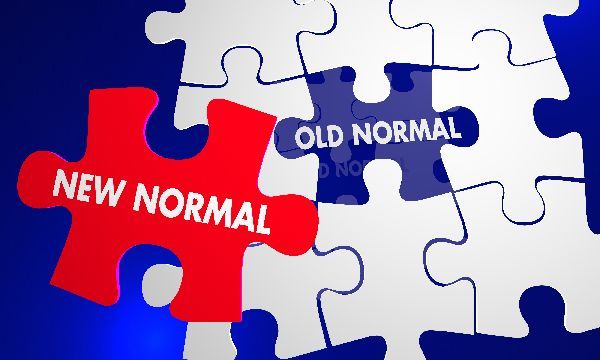
What it Covers: This module examines one of the most dangerous dynamics in operations — the gradual process by which small deviations from standards become accepted, then expected, then invisible. You'll study how drift develops in real organizations, identify the specific signals of drift inside your own operation, and build the leadership routines and conversations that interrupt drift before it becomes a crisis. The module also covers the analytical question every operations leader should be able to answer: where in my facility has something quietly become the new normal?
Why It Matters: Every serious incident investigation eventually uncovers the same truth — the warning signs were there, and people had stopped noticing. Drift is not a failure of procedure or training. It's a failure of leadership attention over time. The supervisors who catch drift early aren't smarter or more vigilant than their peers — they've built deliberate habits for looking at the parts of the operation that have gone quiet.

Work-as-Imagined vs. Work-as-Done
What it Covers: This module trains you to see the gap between how work is written down in procedures and how work actually gets performed on the floor. You'll learn the dynamics that create the gap, a structured method for observing work-as-done without triggering defensive behavior, and the analytical frameworks for classifying what you find — from adaptive workarounds to early warnings of serious risk.
Why It Matters: Every incident investigation eventually discovers that the work was not being done the way leadership believed it was being done. That gap didn't open up on the day of the incident. Leaders who can see the gap before an event operate with a fundamentally better picture of their facility than leaders who only see it after.
Safety Leadership Training Series: Field and Workforce Practices

Contractor and Short Service Worker Management
What it Covers: This module addresses the specific leadership challenge of managing safety for workers who aren't part of your regular crew — contractors on site and short service workers in their first months. You'll learn the risk patterns that make these groups statistically more likely to be involved in incidents, the oversight and integration practices that close the exposure gap, and the leadership habits that manage external workforce risk without creating an adversarial dynamic.
Why It Matters: Contractors and short service workers carry disproportionate risk in industrial operations — they don't yet know the facility's specific hazards, equipment quirks, or unwritten norms that experienced workers navigate without thinking. Most sites acknowledge this in policy and manage it loosely in practice. Leaders who take this work seriously catch the exposure pattern that data consistently shows and contracts alone don't close.

Managing Personal Safety
What it Covers: This module focuses on your responsibility as a leader to build personal safety ownership across the workforce. You'll learn the difference between compliance-driven and ownership-driven personal safety, techniques for coaching individual safety behavior without triggering defensiveness, and the leadership habits that make personal safety ownership visible and contagious across a crew.
Why It Matters: Every safety program eventually runs into the same truth: leadership cannot be everywhere, and the final line of defense is always the worker in the moment making a decision about their own safety. Workforces that have built genuine personal safety ownership catch the problems that slip through every other control.

Managing Interfaces
What it Covers: This module addresses one of the most underestimated sources of risk in operational environments — the interfaces between shifts, crews, departments, operations and maintenance, the site and its contractors. You'll learn to identify the various types of interfaces in your operation, assess which ones carry the most risk based on complexity, and apply the four methods of managing interfaces — verbal, written, physical, and structural — individually or in combination to fit the situation.
Why It Matters: Most serious incidents in complex operations involve an interface failure somewhere in the causal chain. The offgoing shift didn't communicate a developing problem. The contractor wasn't briefed on a change in conditions. Interfaces are structurally fragile, and leadership rarely manages them deliberately. Leaders who can see their interfaces clearly and apply the right management methods to the right situations operate with a fundamentally stronger picture of where their real risk lives.
Human Factors and Safety Walk-Throughs
What it Covers: This module covers two connected disciplines. First, Human Factors — the interaction between people, facilities, and management systems, and why "human error" is bad terminology that blinds leaders to the real drivers of behavior. You'll learn the full Human Factors spectrum across workplace design, equipment, work environment, physical demands, job design, information transfer, and personal factors. Second, Safety Walk-Throughs — how to conduct them as a leadership practice that surfaces the Human Factors issues procedures miss.
Why It Matters: As technical and hardware systems have become more reliable, the relative importance of Human Factors in achieving continued safety improvement has grown. Leaders who don't understand the interface between people, facilities, and systems end up redesigning the wrong things — and end up surprised when behavior doesn't change. Walk-throughs done well are one of the most powerful leadership tools available. Done poorly, they produce paperwork and damage the relationship with the crew.
Safety Leadership Training Series: Learning From Work

Proactive Reporting and Leading Indicators
What it Covers: This module equips you to build and use two connected safety practices. First, reporting — both proactive (hazards, concerns, unsafe conditions surfaced before an event) and reactive (near-misses and incidents reported after one) — along with the human behaviors and organizational barriers that determine whether reporting actually works. Second, Leading Indicators — what to measure that predicts safety performance, how to design indicators and evaluate their effectiveness, and how to read the data honestly.
Why It Matters: Most operations drown in lagging indicators that tell them what already happened and measure almost nothing that predicts what's coming. Low proactive reporting numbers are almost never good news — they usually mean people have learned that reporting doesn't change anything. Leaders who can build genuine reporting culture and read leading indicators honestly operate with a fundamentally better picture of where their safety culture is actually heading. The alternative is managing safety by looking in the rearview mirror.

Incident Investigation, Analysis, and Sharing
What it Covers: This module builds the discipline of conducting incident investigations that produce learning rather than just reports. You'll learn the basic steps of an investigation, the analysis process, and how to use the Root Cause Analysis flowchart to work through what actually caused an event. The module covers the questions that produce real insight versus the ones that produce blame, the traps to avoid in RCA, and how to share investigation learnings across the organization so the same event doesn't happen twice.
Why It Matters: Most incident investigations produce reports that go into a file and changes that don't change anything. Investigations done well are one of the highest-leverage learning opportunities available to any operation — but only if the people doing them have the methodology and the organizational courage to investigate honestly. Knowledge from an investigation is only useful when it's shared and put to use, and most organizations lose the learning somewhere between the report and the crew.
Learning Teams
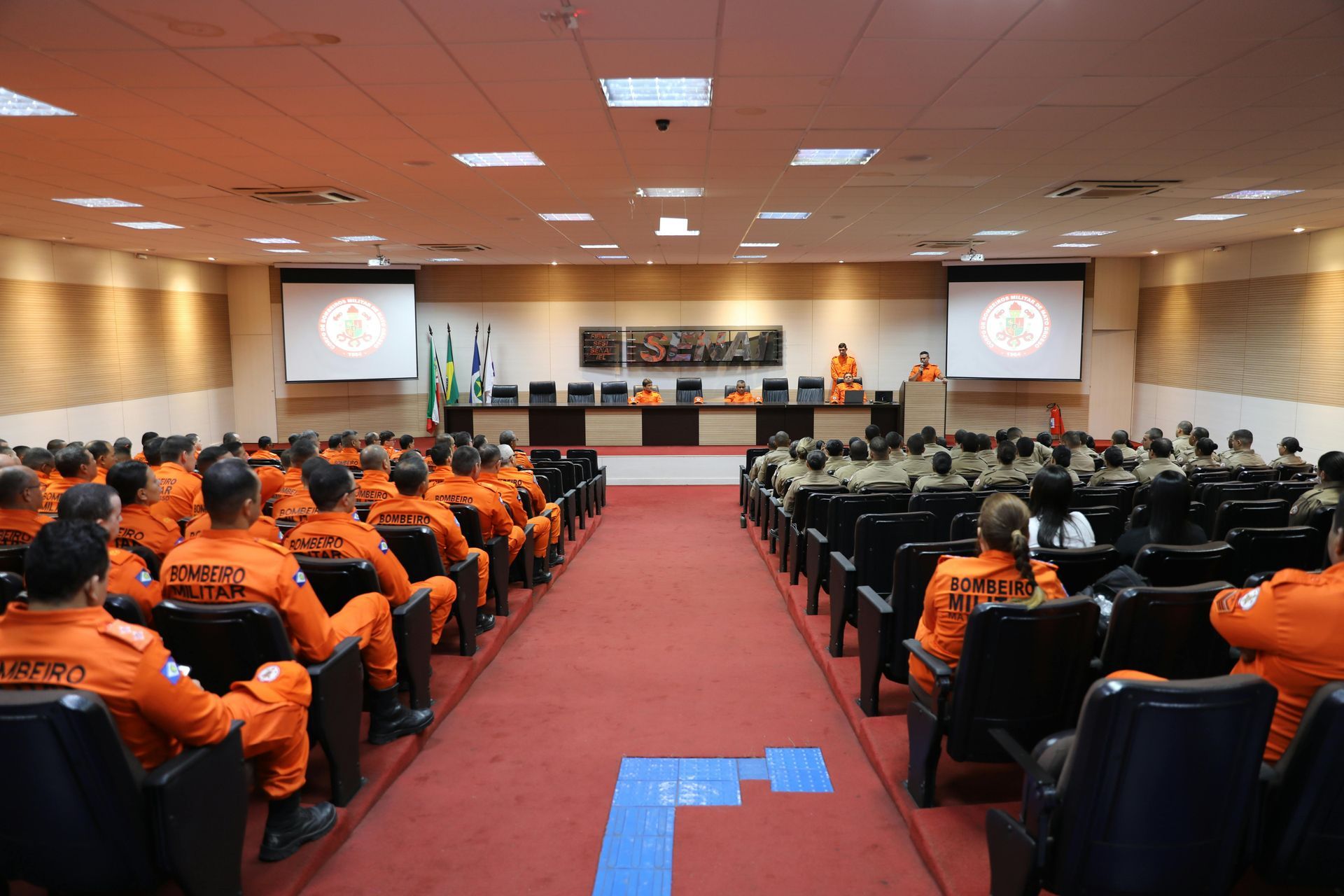
What it Covers: This module equips you with the structured practice of facilitating Learning Teams — a post-event discipline that treats the people closest to the work as the primary source of operational truth. You'll learn when to convene a Learning Team, how to frame the conversation so crew members speak honestly, and how to turn what the team learned into changes leadership can act on.
Why It Matters: Most incident investigations close the conversation before the real learning starts. Learning Teams reverse that dynamic — replacing the search for who with the search for why. Leaders who facilitate Learning Teams well build something rarer than a good safety record: a crew that believes reporting a problem actually leads somewhere.

Learning from What Goes Right
What it Covers: This module introduces a fundamental shift in how you study your own operation. Traditional analysis looks only at failures and assumes success is the absence of failure. This module teaches the opposite discipline — studying the times difficult work went right and understanding what the people doing it actually did to make that happen. You'll learn structured inquiry methodology for drawing out the informal knowledge experienced workers carry, techniques for capturing tacit know-how that never makes it into procedures, and practical methods for turning what you learn into training content, system design, and leadership practice.
Why It Matters: Your operation runs safely most of the time. That isn't luck — it's because experienced people quietly adapt to conditions the procedure never anticipated. Leaders who only study failure never see any of that, which means they build systems that correct problems they already had without strengthening the capacity that kept the bigger ones from happening. Most of what your best operators know has never been written down — and won't be until someone asks them.
Safety Leadership Training Series: Building Capability
Safety Meetings
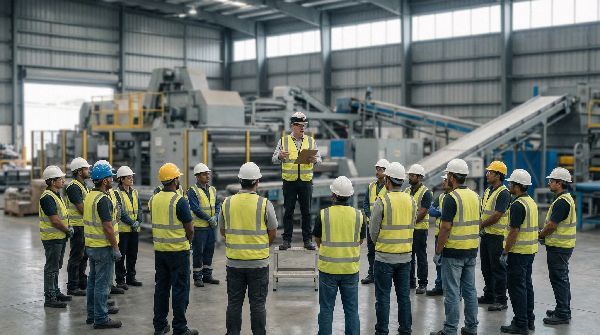
What it Covers: This module builds the practical skill of planning and leading safety meetings that actually develop competence and commitment rather than checking a compliance box. You'll learn the purpose of safety meetings, the different types and when each is appropriate, how to plan one that draws real engagement from the crew instead of silent attendance, and the supervisor's specific role in turning the meeting into a leadership tool — not just a recurring obligation.
Why It Matters: Safety meetings are one of the most frequent and most consistently wasted leadership opportunities in any operation. When they become routine — same topics, same format, same dynamic — crews stop engaging and leaders stop learning anything useful from them. Meetings done well are a weekly signal of what leadership actually values. Meetings done poorly are a weekly signal that nobody on either side really cares.
Speaking for the Company
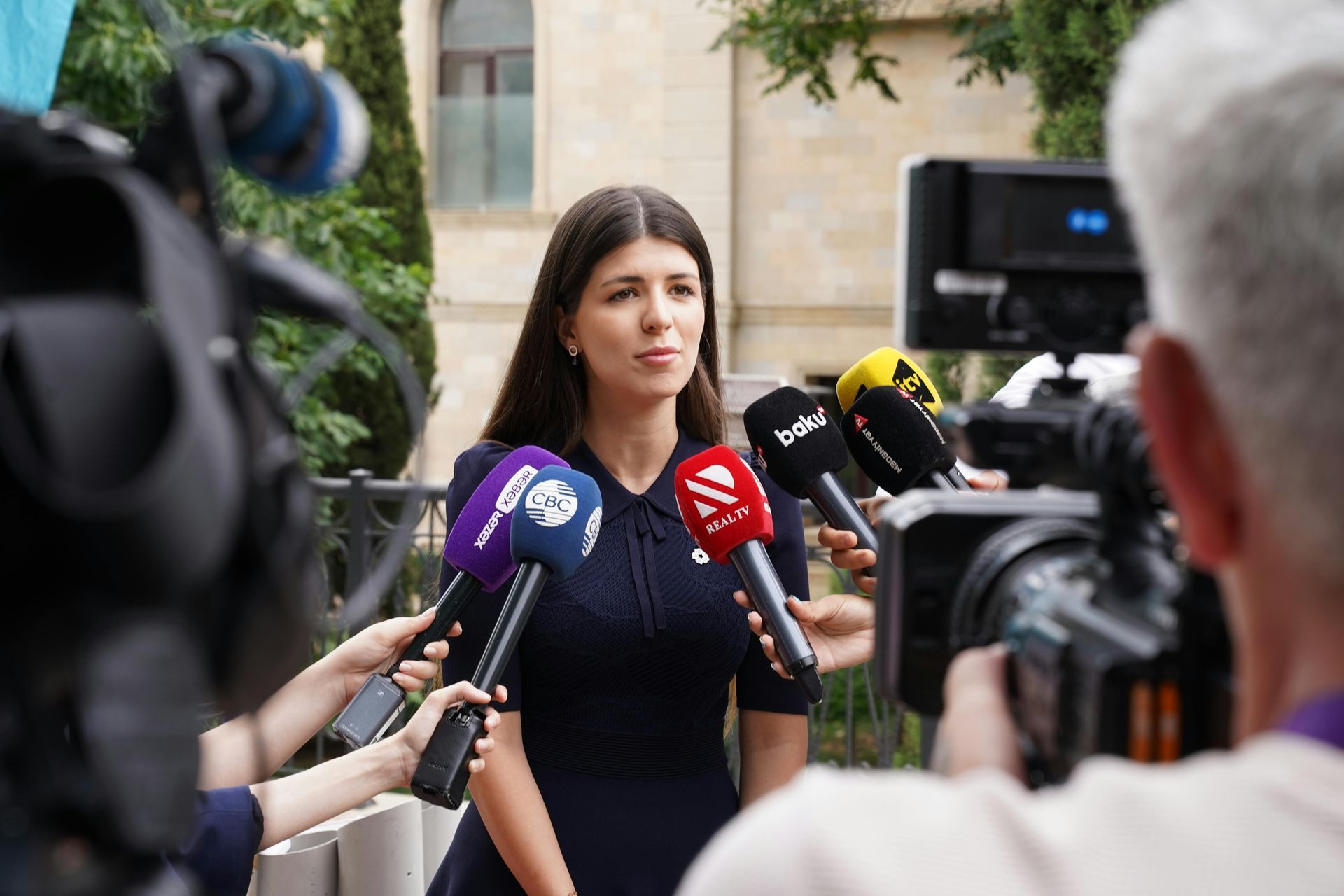
What it Covers: This module builds your capacity to represent the organization credibly in high-stakes communication — regulatory interviews, incident investigations, community meetings, and internal moments when leadership visibility matters. You'll learn message discipline, interview technique, and the patterns that distinguish credible leaders from defensive ones.
Why It Matters: Every operational leader eventually has to speak on behalf of the organization in a moment where the stakes are real. Most are never trained for these moments and learn by doing, which is expensive. This module builds the skill before the moment arrives, so you protect the company, respect the audience, and hold your credibility intact.
Workforce Safety Competency
What it Covers: This module teaches you to develop, maintain, and assess safety competency across your workforce. You'll learn the Workforce Competence Progression Model and how to identify where each operator sits on it, the methods for maintaining competence over time, and the factors that cause competence to degrade — including fatigue, memory and retention, and conditions of change. The module also covers the structured phases of a competency-based training program and your role as a supervisor in assessing, building, and restoring competence.
Why It Matters: Training hours and completion percentages tell you almost nothing about actual capability. A training matrix that is fully green can coexist with a workforce that cannot perform safely under real conditions — particularly during the hours when fatigue, schedule pressure, and reduced oversight degrade what people can actually do. Competency is built and maintained over time through deliberate leadership practice. Leaders who manage competency directly are the ones whose people can actually do what the training matrix says they can.

Leading in Union Environments
What it Covers: This module addresses the specific leadership skills required to supervise effectively in a unionized industrial operation. You'll learn the philosophy of cooperation without conciliation — working productively with union leadership without conceding management rights — and the practical mechanics of operating under a collective bargaining agreement. The module covers the grievance process and how to respond when one is filed against you, the seven tests of just cause that determine whether discipline will hold up, progressive discipline within contractual constraints, when arbitration makes sense and when it doesn't, and how to handle high-pressure situations including stop-work claims, alleged abuse of leave, and direct insubordination. Real scenarios drawn from refining and chemical operations anchor the practical decision-making.
Why It Matters: Most leadership development assumes a non-union mental model — direct authority, unilateral rule-making, performance management without procedural constraint. Leaders who carry that model into a union environment burn credibility in their first months and never recover it. The supervisors who lead effectively in unionized operations have learned the specific moves that protect both the contract and the culture — and have developed the emotional discipline to handle situations that are explicitly designed to provoke a reaction. This module builds those skills directly, with scenarios that mirror what you'll actually face.
Safety Leadership Training Series: Response and Recovery
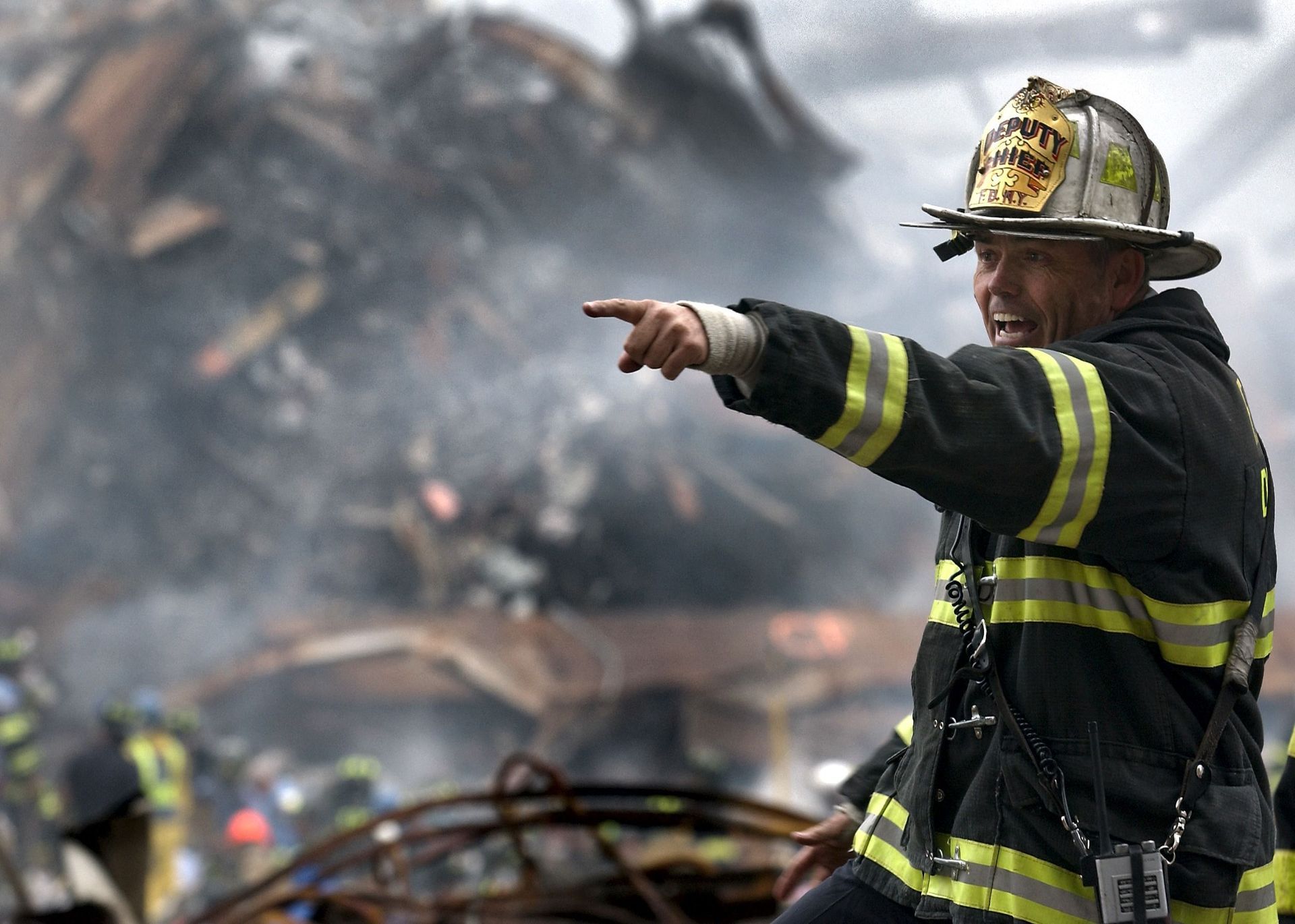
Emergency Response Leadership
What it Covers: This module builds the leadership skills required in the first minutes and hours of an emergency. You'll learn the structure of incident command and where operational leaders fit within it, the decisions that belong to you versus the ones that escalate, and how to lead people who are frightened or working outside their normal role. The module covers communication discipline under pressure, notification sequencing, and coordination with mutual aid and outside responders. Site-specific customization maps the content to your facility's incident command structure and protocols.
Why It Matters: Emergency response plans are written by people with time to think. They get executed by people who don't have any. Someone has to make calls with incomplete information while the situation is still moving. Leaders who have rehearsed those decisions make better ones. Leaders who have only read the plan discover during the event that reading isn't the same as knowing.
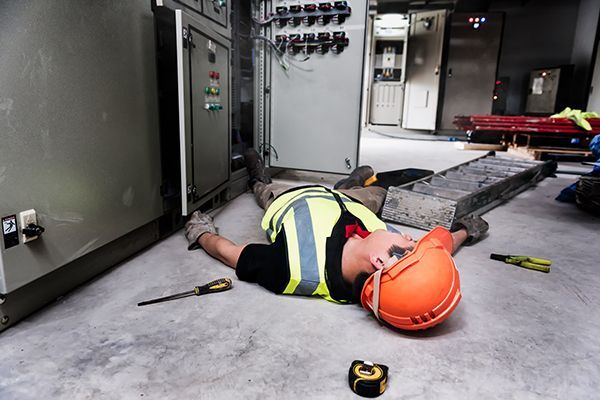
Incident Case Management
What it Covers: This module covers your responsibilities from the moment someone is injured through their return to full duty. You'll learn the immediate response sequence, the reporting and documentation that protects both the employee and the organization, how the workers' compensation process works and where leaders inadvertently complicate it, and the difference between light duty, modified duty, and return-to-work. Site-specific customization aligns the content with your carrier and return-to-work program.
Why It Matters: The way an organization treats an injured worker is the loudest message it ever sends about whether safety is real. Crews watch what happens after the ambulance leaves. They notice whether the person is supported or processed, and whether they come back to a job or disappear. Most leaders handle their first injury case by improvising, and the improvisation is remembered for years.

Crisis Communication and Stakeholder Management
What it Covers: This module builds your capacity to manage communication during and after a serious event — with your workforce, with families, with corporate, and with the community. You'll learn what to say when the facts are still incomplete, how to communicate honestly without creating exposure, the sequencing of who hears what and when, and the specific patterns that erode trust during a crisis.
Why It Matters: Serious events create an information vacuum, and vacuums fill with whatever is available. Rumor moves faster than any official channel. An organization that goes quiet while it decides what to say has already handed the narrative to speculation. Leaders who understand crisis communication protect the credibility they'll need during recovery.
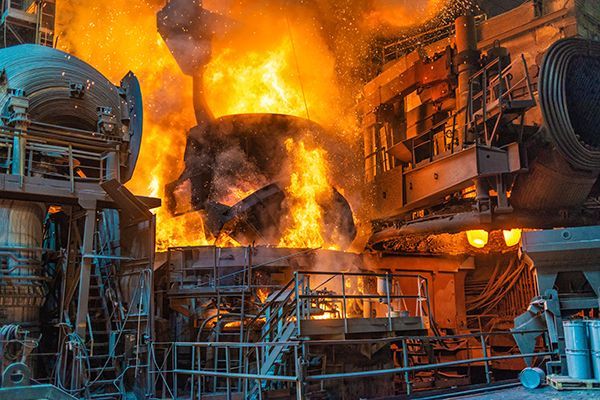
Leading the Operation After a Serious Event
What it Covers: This module addresses the weeks and months following a serious incident — the period most organizations are least prepared for. You'll learn the predictable phases a workforce moves through after a traumatic event, the leadership behaviors that support recovery versus the ones that prolong it, and how to restart work safely when the crew is shaken. The module covers managing the tension between operational pressure and readiness, and rebuilding the reporting culture a serious incident often damages.
Why It Matters: The event ends. The aftermath doesn't. Crews come back to the same equipment and the same place where something went badly wrong. Some are angry, some are afraid, some are certain it was preventable and nobody listened. Leaders who push straight back to production lose the crew. Leaders who understand what recovery requires bring the operation back stronger — and that period is often when the deepest culture change becomes possible.
TRAINING CUSTOMIZATION
Need Safety Leadership Training Built To Purpose?
While our workshops are ready to deliver, they’re intentionally designed to be adapted. We adjust activities, discussions, and agendas to align with your team’s unique challenges, goals, and culture—ensuring the experience feels relevant and practical for every group.
Our customization elements include:
- Modular Design - Our workshops are structured in short-form modules. Mix and match workshop modules to fit your priorities and meet the unique needs of your audience.
- Flexible Agendas - Adjust length and flow to meet your schedule.
- Industry Relevance - Tailor case studies and examples to your sector.
- Scalable Format - Deliver content effectively for small groups or large cohorts.
- Organizational Goals - Integrate your company’s values, metrics, and challenges.
- Custom Topics - Incorporate current issues, hot-button challenges, or custom-written content for your team.
- Self-Guided Learning - You can choose to assign pre-work and homework to ensure learners engage with important content while also making the most of your time together in the classroom.
Some workshops especially benefit from site-specific customization. Emergency response and incident case management are two good examples — both depend heavily on your facility's incident command structure, mutual aid relationships, corporate reporting protocols, workers' comp carrier, and return-to-work program. We work directly with your HSE and operations leadership to develop content that reflects the policies and processes your team will actually use, rather than generic principles that don't map to your reality.
FAQs
The questions we often get asked about safety leadership training.
-
How long is each safety leadership workshop?
Direction & Vision consulting helps leadership teams build genuine alignment — not just a strategic plan. It combines DiSC Work of Leaders behavioral assessment and team culture mapping to build a shared direction that cascades from the senior leader through every level of the organization. Every leader leaves with their own vision, their own priorities, and their own plan — all connected to the same direction.
-
Do I have to buy the full library?
No. Every module stands alone, and every module also builds on the others. Some plants run the full twenty as a year-long curriculum. Others take a cluster — the four modules under Risk and Hazard Recognition, for example — and treat it as a focused program. Some start with a single workshop to open a conversation about culture.
Buy at whatever scale matches what you're solving. The library is designed so adding to it later doesn't mean starting over.
-
Can we license the workshops and deliver them ourselves?
Yes. Licensing terms depend on number of sites, internal facilitators, and customization level. It pairs with our train-the-trainer certification, which prepares your people to deliver the material without flattening it into a slide read-aloud.
-
How customizable is the content?
Very. Light customization adjusts examples and terminology to your sector. Moderate — where most clients land — rebuilds scenarios around what your supervisors actually face. Full design builds the program around your operation from scratch.
Site-specific work matters most where facility policies drive the content: incident command structure, mutual aid relationships, reporting protocols, return-to-work programs.
-
Who are these workshops for?
Front-line and mid-level operational leaders. Supervisors, shift leads, superintendents, and the safety professionals who support them. The people who decide what gets tolerated on a shift.
-
How many people can attend a workshop?
The silo tax is the organizational cost of misalignment between departments, shifts, and leadership levels. It shows up as duplicate effort, competing priorities, initiatives that stall between the announcement and the floor, and leaders who are technically capable but pulling in different directions. Most organizations pay the silo tax without knowing it has a name. Eliminating it requires every leader to own a piece of the vision — not just support someone else's.
-
Do participants get anything to take with them?
Yes. Every workshop is built around mindset, skillset, and toolset. Participants leave with the reasoning behind the practice, the ability to run it, and the job aids to run it again — workbooks, reference tools, and structured formats they can use on shift.
We also offer pre-workshop analysis to find where the actual gaps are, and follow-up coaching for supervisors afterward.
-
What industries do you work in?
Environments where a leadership decision can become an incident. Process-intensive, highly regulated operations where safety performance is measured and audited — refineries, chemical plants, industrial gas, and mid-size manufacturers running 50 to 500 employees.
The work translates anywhere a wrong call at 2 a.m. costs somebody, including healthcare operations.
-
Do you work with unions?
Yes. Leading in Union Environments is a full module, covering the grievance process, the seven tests of just cause, progressive discipline under contractual constraint, and high-pressure moments like stop-work claims.
Most leadership training assumes a non-union model. Supervisors who carry that model into a represented workforce burn credibility fast.
-
How is safety leadership training different from standard safety training?
Standard safety training teaches rules and procedures. This teaches the leadership behaviors that determine whether those rules actually run your operation.
Your crews know the procedure. What they watch is whether the supervisor enforces the standard when production is behind, and whether raising a concern costs anything.
The workshops draw on two frameworks together. Human and Organizational Performance (HOP) treats error as a normal part of human work and focuses leadership on building systems that fail safely rather than blaming the person at the sharp end. Loss Prevention System (LPS) is a structured set of field tools — job safety analysis, pre-job planning, observation, incident investigation — that gives leaders a repeatable way to see and manage risk day to day. HOP explains why people do what they do. LPS gives you the tools to act on it.
-
How is this different from general leadership training?
General leadership programs teach communication, coaching, and accountability in the abstract. The frameworks are sound. They were built for offices.
These workshops teach the same underlying skills inside the situations where they actually get tested — the pre-job that becomes a formality, the near-miss reported at 3 a.m., the operator who keeps working around a procedure that doesn't fit the job, the contractor nobody briefed. Every scenario comes from operations.
If you already run a leadership program, this doesn't replace it. It applies it to the decisions that carry consequences.
-
What if we've tried safety leadership training before and it didn't stick?
Common, and usually not a content problem. Training fails when nothing reinforces it afterward. We build for what happens after the room clears — internal facilitator certification, modules you can revisit, follow-up structure.
-
Can you deliver to multiple shifts?
Yes. Multi-shift rollouts are standard. On-site engagements are typically scheduled around shift rotation so crews attend without coverage gymnastics.
-
What is the cost?
On-site workshops are billed at a day rate, plus a per-participant fee that covers workbooks, materials, and any assessments the module uses — DiSC or Leadership Circle profiles, for example. Travel time and expenses are added for engagements that require them.
Coaching is billed hourly or as a project, depending on scope.
Licensing for internal delivery is priced separately, based on sites, facilitators, and customization level.
Call 970-585-6269 for a range based on your situation.