
TL;DR: AI is a godsend for scheduling maintenance and crunching production data, but it’s a liability when it comes to human behavior. Coaching requires context, nuance, and field-tested wisdom: things a Large Language Model simply cannot simulate. When things go "nuclear" on the shop floor, a chatbot's advice isn't just useless; it’s dangerous. Real transformation happens human-to-human. Read Time: 7 minutes Audience: Plant Managers, Ops Directors, and Leaders who have tried "program-of-the-month" fixes and are still dealing with the same fires.

TL;DR: Leadership training usually fails because the format is often chosen for convenience instead of fit. This article is a buyer’s guide to where each leadership training format works best, where it tends to fall short, and how to choose the right option based on the problem you’re trying to solve. To make frontline leadership training stick, you have to match the delivery to the objective and back it with the RESET framework. Read time: 8 minutes. You’ve seen it before. Mike, a twenty-year floor veteran who was promoted to supervisor because he was the best mechanic on shift, is sitting in a windowless breakroom. He’s staring at a PowerPoint slide about "Emotional Intelligence" while his radio crackles with news of a pump seal failure on Unit 4. Mike isn’t learning. He’s waiting. He’s waiting for the consultant to stop talking so he can go back to the world where things make sense: where steel and torque matter more than "active listening." The industry is littered with the remains of these programs. Most leadership development for plant managers fails not because the content is bad, but because the format is a mismatch for the reality of the plant floor. If this is going to work, the format has to fit the objective, the environment, and the level of behavior change you actually need. Diagnose Before You Prescribe Most training decisions are made by looking at a budget and a calendar. "We have $20k left and Tuesday is open. Let’s do a workshop." This is how you waste money. To actually move the needle on behavior-based change management, you have to diagnose the gap first. The Knowledge Gap: They don’t know what to do. (Solution: Modular or Virtual) The Skill Gap: They don’t know how to do it under pressure. (Solution: On-site Instructor-led) The Cultural/Systemic Gap: They know what to do, but the environment won’t let them. (Solution: Offsite Retreat or Sustained Engagement) If you prescribe a knowledge-based fix for a systemic problem, you should not expect much to change.

TL;DR: If your recognition program keeps celebrating the person who makes the biggest save, you may be training your operation to crave drama. This is The Performative Recognition Trap : leaders reward visible crisis-response, employees learn what gets attention, and the quiet high-performers who prevent problems start disappearing into the wallpaper. This post explains why managers fall for that trap, why the "loud fixer" keeps winning, and how to redesign recognition around the people keeping your operation stable. Read Time: 7 minutes Audience: Plant Managers, Operations Directors, Safety Managers, and anyone tired of applauding noise while the best people quietly check out.
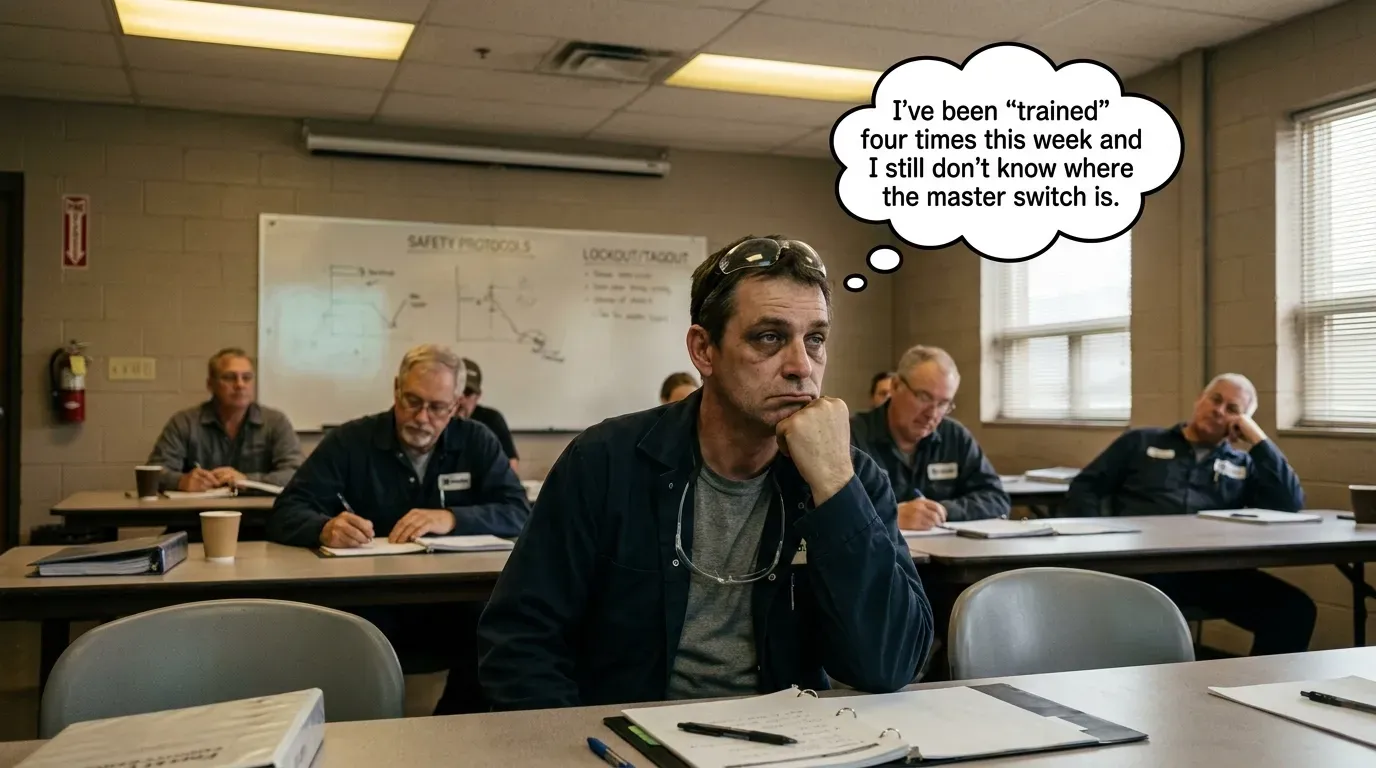
Why Does Industrial Training Keep Failing? (Even When Attendance is High)

TL;DR: Recurring operational issues aren't failures of effort; they are failures of diagnosis. If you keep patching the same leak, you aren't fixing the pipe, you’re just getting really good at carrying buckets. This post explores why traditional "fixes" (training, coaching, new processes) fail when they target symptoms instead of the root cause, and how shifting from an "Enforcer" to an "Architect" mindset, using the Ownership Index, is the only way to stop the cycle. The air in a refinery has a specific weight. It’s a mix of heat, vibrating metal, and the faint, sharp tang of chemicals that tells you exactly how much money is moving through the pipes. When everything is humming, it’s a symphony. But when a bearing starts to scream or a pressure valve starts hunting, the vibe shifts. I was standing on a catwalk recently, watching a supervisor, let’s call him Dave, stare at a pump that had failed for the third time in six months. Dave is a good guy. He works hard. He had the maintenance logs in his hand. He’d followed the "process." He’d replaced the seals. He’d coached the operator on "proper startup procedures." He’d even sat through a three-day leadership seminar on "accountability." And yet, there we were. Same pump. Same puddle. Same frustrated look on Dave’s face. I looked at Dave and asked, "How many times have we fixed this?" He didn’t even look up. "Three. Well, 'fixed' is a strong word. We made it go away for a while." That’s the reality for most operations. We don’t solve problems; we just negotiate their temporary disappearance. The Graveyard of Ghost Fixes Every operation has a list of fixes that didn't fix anything. You know the ones. The training program that ran twice, cost sixty grand, and changed exactly zero behaviors on the floor. The supervisor who got "intensity coaching," improved for a month while everyone was watching, and then reverted to his old ways the moment the heat died down. The new digital workflow process that worked great during the pilot until it didn't, eventually becoming a bloated spreadsheet that someone fills out once a week just to keep HR off their back. The safety initiative that started with high-fives and "Safety First" t-shirts, only to quietly fade into another sun-bleached poster on the breakroom wall. None of those are failures of effort. The people involved aren't lazy. Dave wasn't lazy. The training department wasn't lazy. These are failures of diagnosis . When the same problem keeps coming back, it means the fix was aimed at the symptom, the visible, measurable, easy-to-point-at version of the problem. But the root cause? That stayed untouched. And root causes don't wait patiently. They are patient, but they are persistent. They keep producing symptoms until someone actually goes looking for the source.
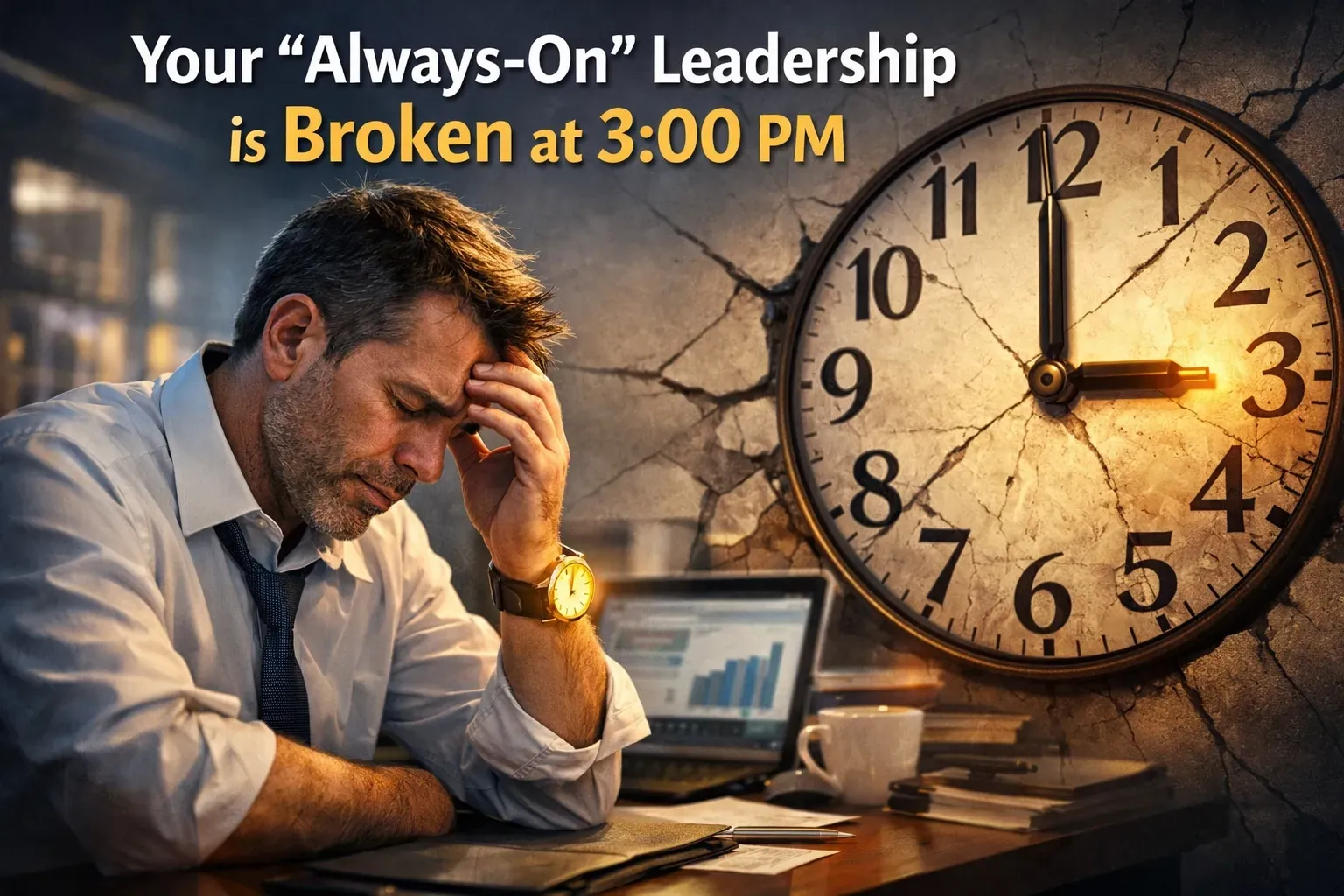
TL;DR: The Quick-Read The Core Argument: Being "always-on" doesn't mean you answer your phone at midnight; it means your leadership standards operate 24/7 even when you aren't in the building. Who This Is For: Plant managers, ops leaders, and supervisors who feel like their operation starts to rot the moment they drive out the front gate. What You Get: A breakdown of why 3:00 PM is your biggest leadership risk, the "Always-On" framework for systemic accountability, and how to stop being a "hall monitor." Read Time: 9 minutes.
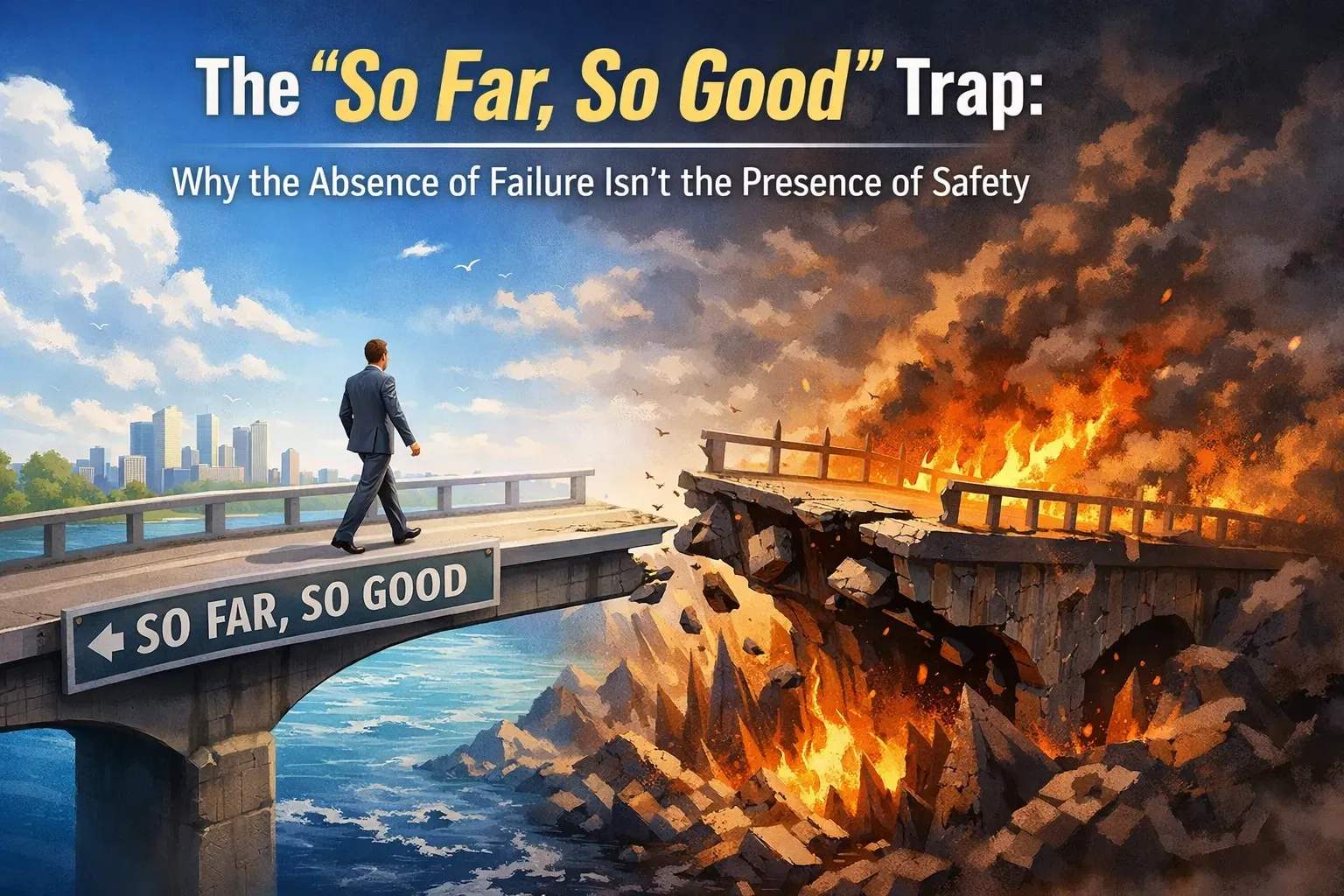
TL;DR: Just because the plant hasn't blown up today doesn't mean your systems are working. We often mistake a lack of disaster for the presence of safety. This is "Counterfeit Confidence", a forged currency we use to buy peace of mind while the Overton Window of our standards shifts toward catastrophe. To fix it, we have to stop acting like "Auditors" who check boxes and start acting like "Architects" who build systems that resist the drift.

TL;DR: Traditional management is a relic of the industrial revolution that no longer works on the modern shop floor. When things go sideways at 2 AM, you don't need an Enforcer with a clipboard; you need a team of Leaders. By using the Ownership Index to move from "Auditor" archetypes to "Architects," we stop managing people and start building systems where ownership is a reflex, not a mandate.